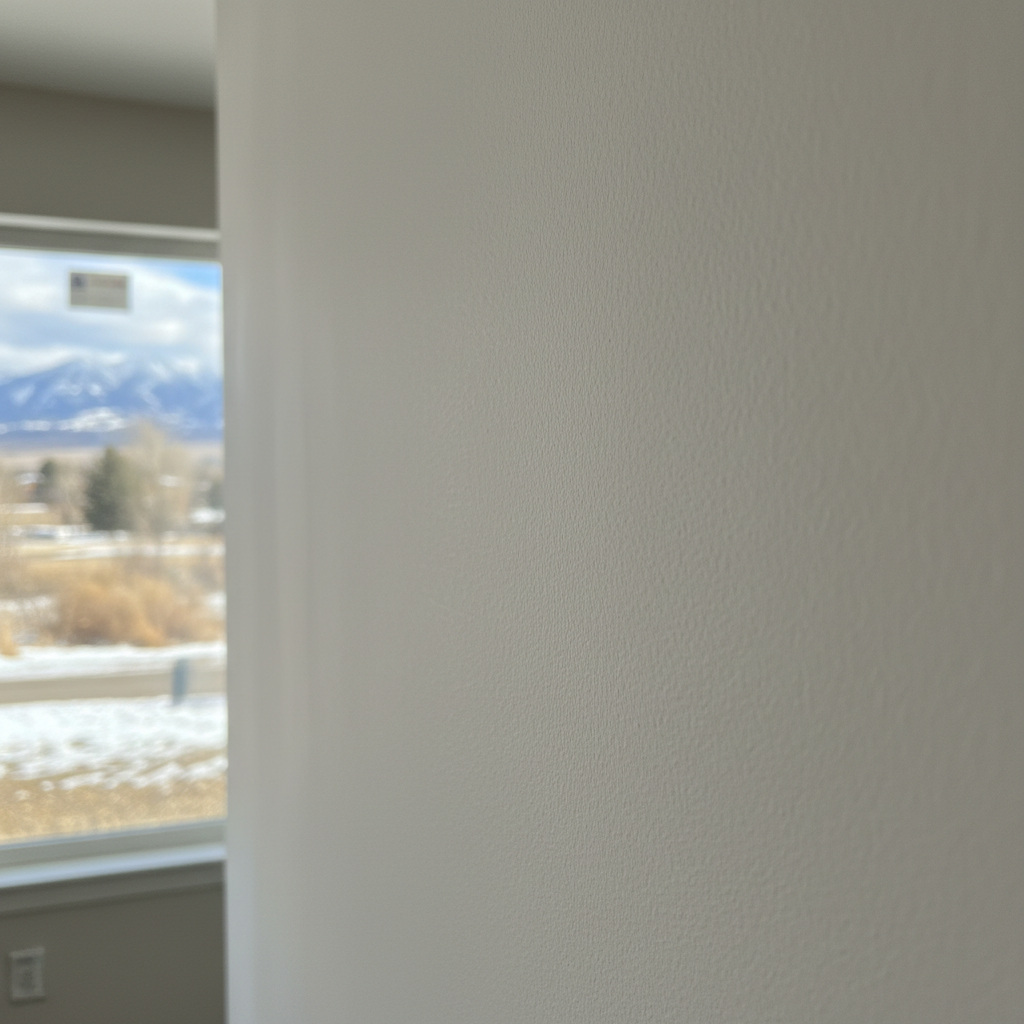
Painting a wall only to watch the finish look blotchy or peel off a few months later is a common frustration for homeowners. When you patch a hole or finish a basement in your Layton home, skipping proper priming causes major issues with the final look. Fresh joint compound and raw paper face act like sponges. They suck up moisture from paint unevenly, leaving you with flashing, dull spots, and a finish that looks amateur.
Before You Start: Getting Ready in Layton
Before you open a can of primer, you need to look at what kind of surface you are dealing with. Up here along the Wasatch Front, dry summers and freezing winters put houses through some temperature swings. If you patched up cracks caused by winter settling or house shifting, those spots need to be completely dry and dust-free.
Grab a pole sander and smooth out your mud patches. Wipe down the walls with a tack cloth or a damp sponge. If you leave drywall dust on the wall, the primer has nothing to stick to except the dust, which means your paint will eventually fail. For raw drywall, use a high-solid PVA drywall primer. If you are covering up water stains or smoke damage from a kitchen mishap, you will want a pigmented shellac or oil-based primer instead.
During the Priming Process
Rolling primer is a lot like painting, but you cannot rush it. Pour your primer into a tray, load up your roller cover, and work in manageable sections. Start from the top and work your way down so you can catch any drips or runs before they dry.
- Cut in the corners and edges with a brush first.
- Keep a wet edge as you roll to avoid lap marks.
- Check the manufacturer label for dry times—do not slap paint on damp primer.
Good lighting is important here. If you are priming a basement room in Layton that lacks natural light, set up a work light at a sharp angle against the wall. This raking light exposes every single imperfection, ridgeline, and sanding scratch you missed. If you see a flaw now, fix it with a little extra mud and light sanding before you move on to the actual paint.
After Priming: Inspecting Your Work
Once the primer dries completely, run your hand lightly over the wall. It should feel uniform and slightly sealed. If parts of the wall look shiny while others look dull, the drywall paper or mud absorbed too much of the product, and you might need a second coat. Skipping this check is why amateur paint jobs always look amateur.
DIY vs. Calling New Look Drywall Co
Can you prime a small room or a patch in your hallway yourself? Absolutely. It is messy, and your shoulders will ache by the end of it, but it is a straightforward weekend task if you have the patience.
However, if you just finished hanging and taping an entire main floor or a complex basement remodel, you might want to hand off the job. Large expanses, vaulted ceilings common in newer Layton builds, and tricky stairwells take specialized equipment and physical stamina to prime and paint without leaving roller tracks everywhere. When the project feels too big or you do not have the free weekend, reach out to New Look Drywall Co. New Look Drywall Co will get your walls sealed up tight and ready for color the right way the first time.